
The evolution of gambling A historical overview of chance and luck
The Ancient Beginnings of Gambling
The origins of gambling can be traced back thousands of years to ancient civilizations. The earliest known evidence dates back to around 3000 BC in Mesopotamia, where clay dice were discovered. These dice were used in games of chance, demonstrating that the allure of luck has been an integral part of human culture. Ancient Egyptians also participated in gambling, utilizing a variety of gaming boards and betting systems, often linked to religious practices and social gatherings. Over time, many enthusiasts have turned to online platforms like http://cosmobets.net for their gaming needs.
In ancient China, records from around 200 BC reveal that a form of lottery was in play, aimed at funding major governmental projects like the Great Wall. This early form of gambling showcased how chance could be harnessed not just for entertainment but also as a means of revenue generation. As cultures interacted through trade and conquest, various gambling methods spread, leading to a rich tapestry of gaming practices across the globe.
These early forms of gambling laid the groundwork for more sophisticated betting systems. They established key elements such as risk, reward, and the thrill of unpredictability that continue to underpin modern gambling. Over the centuries, as societies evolved, so too did gambling, morphing into a diverse range of activities that appeal to different cultures and communities.
The Rise of Formal Gambling Establishments
The formalization of gambling began in the Middle Ages with the establishment of gambling houses in Europe. These venues became social hubs where people gathered to play games like cards and dice. Notably, Italy saw the emergence of the first state-sanctioned gambling houses in the 16th century, known as ‘ridotti.’ These establishments catered to the elite, showcasing games that required skill and strategy, further elevating gambling’s status in society.
By the 18th century, gambling became increasingly popular among the general population. The first public lottery in England was held in 1569, and soon after, similar initiatives spread across Europe. These lotteries offered substantial prizes, turning the chance of winning into a societal phenomenon. The notion of luck became intertwined with social status, as those who won were often seen as favored by fortune.
The establishment of casinos in the 19th century further revolutionized gambling. Cities like Monaco, with the famous Casino de Monte-Carlo, became synonymous with luxury and risk. This era marked the transition from informal gaming to structured environments where rules and regulations were established. The casino culture began to flourish, attracting visitors and gamblers from all over the world, eager to test their luck in lavish settings.
The Impact of Technology on Gambling
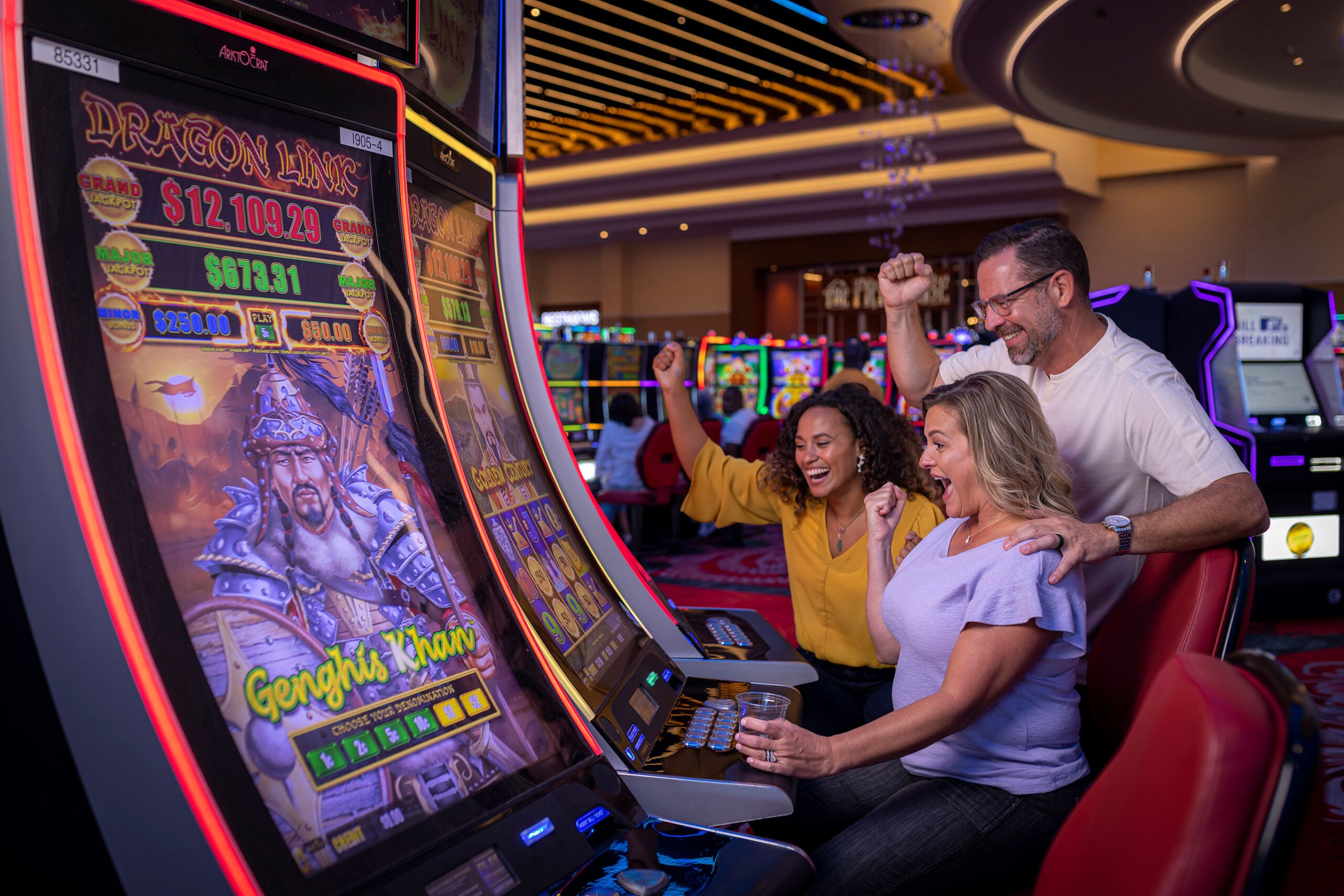
The 20th century witnessed a seismic shift in the gambling landscape with the advent of technology. The introduction of mechanical slot machines in the late 1800s marked the beginning of a new era, allowing players to engage in gambling without the need for traditional table games. These machines quickly gained popularity in bars and saloons, and soon evolved into electronic versions with advanced features, enhancing the gaming experience significantly.
The rise of the internet in the late 1990s transformed gambling yet again, leading to the creation of online casinos. This development offered unprecedented access to gambling for individuals worldwide. Players could now place bets and participate in games from the comfort of their homes, significantly broadening the demographic of gamblers. The convenience of online platforms sparked a surge in participation, leading to a multi-billion-dollar industry.
Moreover, advancements in mobile technology have made gambling even more accessible. Players can now engage with various platforms using smartphones and tablets, further democratizing the experience. This tech-driven evolution has also led to innovations like live dealer games, where players interact with real dealers via streaming technology, blending the excitement of in-person gaming with online convenience.
The Psychology of Gambling: Luck and Chance
The psychological aspects of gambling are complex and deeply intertwined with human behavior. The thrill of chance plays a significant role in why people gamble; the anticipation of winning ignites excitement and adrenaline. This anticipation can create a powerful emotional response, making gambling an enticing activity. People often perceive luck as a personal attribute, believing that they can influence outcomes through strategy or rituals.
Interestingly, cognitive biases, such as the gambler’s fallacy, further complicate this relationship with chance. Players may believe that past outcomes affect future results, leading them to make irrational betting decisions. This belief can result in increased gambling behavior, as individuals chase losses or become overly optimistic about winning streaks. Understanding these psychological triggers is crucial for both players and regulators to promote responsible gambling practices.
Moreover, the notion of luck varies across cultures, affecting gambling practices globally. Some cultures celebrate the concept of fate and fortune, attributing wins to divine intervention, while others focus on skill and strategy. This cultural perspective can influence the types of games people prefer and their approach to gambling, highlighting the multifaceted nature of chance and luck in human society.
Modern Gambling: Trends and Regulations
The landscape of gambling today is marked by rapid evolution and increasing regulation. As online gambling continues to rise, governments worldwide are implementing regulations to ensure consumer protection and promote responsible gambling. These measures include age restrictions, limits on advertising, and campaigns aimed at educating players about the risks involved. Such regulations are crucial in balancing the entertainment value of gambling with the need to safeguard vulnerable individuals.
Recent trends indicate a growing interest in responsible gambling practices. Many online platforms now offer tools that allow players to set spending limits, self-exclude, or access support services if needed. This focus on player welfare reflects an understanding of the potential harms associated with gambling addiction, reinforcing the importance of a sustainable gambling environment.
In addition to regulation, the rise of esports and skill-based gambling has diversified the industry further. Gamblers are now engaging in bets on competitive video gaming, combining traditional wagering with modern entertainment. This trend signifies a shift in how gambling is perceived, moving towards a more interactive and immersive experience that continues to attract new audiences.
Cosmobet Casino: A Modern Gaming Experience
Cosmobet Casino offers an exciting online gaming platform tailored for players in the UK. With its user-friendly interface and a diverse range of games, it caters to various preferences, from classic table games to innovative slots. The casino prioritizes player satisfaction, providing a generous welcome bonus to ensure new players can dive into their gaming experience with ease.
Moreover, Cosmobet Casino emphasizes responsible gambling practices, promoting awareness among its users. The platform includes tools for self-regulation, encouraging players to engage with their gambling habits consciously. Regular promotions, loyalty rewards, and daily deals keep the gaming experience fresh and dynamic, enhancing the overall enjoyment.
As technology continues to evolve, Cosmobet Casino remains at the forefront, offering a seamless gaming experience accessible from any device. This commitment to innovation and player welfare ensures that players can enjoy the thrill of chance and luck while engaging in a safe and responsible environment, embodying the best of modern gambling trends.